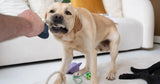






Important Medical Disclaimer: This article is educational and based on veterinary guidelines. Ear infections in dogs require professional diagnosis and treatment. Always consult your veterinarian if your dog shows signs of ear discomfort, especially if symptoms persist beyond a day or two or if you notice discharge or a strong odour.
Dog ear infections (otitis) are a common yet uncomfortable condition affecting many canines, often characterized by head shaking, scratching, and unusual odor. While Dogs shake their heads for all kinds of reasons. But when the head shaking doesn't stop, when your dog is pawing at one ear, or when you notice a strange smell coming from somewhere around their face, it's worth paying closer attention. Ear infections are one of the most common reasons dog owners visit the vet, and for good reason. They're uncomfortable, they can escalate quickly, and they're often a sign of something else going on beneath the surface.
The good news is that with the right information, you can spot the signs early, understand what's causing the problem, and know exactly when to act. This guide covers everything from the first symptoms to recovery and prevention.

Why Dogs Get Ear Infections
A dog's ear canal is shaped differently from a human's. Rather than running straight inward, it forms an L-shape, angling downward before turning toward the eardrum. This structure creates a warm, enclosed environment where moisture, debris, and microorganisms can accumulate with surprising ease.
Most ear infections in dogs are caused by an overgrowth of yeast or bacteria, and sometimes both at the same time. Yeast infections tend to produce a darker, waxy discharge with a distinctly musty smell. Bacterial infections often look different, with yellower or greenish discharge and a sharper odour.
Several factors increase the likelihood of an infection developing. Dogs with long, floppy ears, such as Cocker Spaniels, Basset Hounds, and Golden Retrievers, are more prone because their ear flaps restrict airflow and create the damp conditions microorganisms thrive in. Dogs who swim frequently face a similar issue, since water easily becomes trapped in the ear canal after a swim and takes time to drain.
Allergies are another major contributor. Many dogs with skin allergies or food sensitivities experience recurring ear infections as part of their allergic response. If your dog keeps getting ear infections without a clear trigger, allergies are often the underlying cause worth investigating with your vet.
Recognising the Symptoms
The Early Signs to Watch For
Ear infections rarely appear without warning. The earliest signs are often behavioural. Your dog may start shaking their head more than usual, scratching at one or both ears, or rubbing the side of their face along the floor or furniture. These actions are your dog's way of trying to relieve the irritation.
Pay attention to how your dog holds their head too. A dog with an ear infection sometimes tilts their head to one side, particularly if the infection has moved deeper into the ear canal. This is a sign the discomfort has become more significant and warrants prompt attention.
What to Look and Smell For
When you look inside the ear, healthy ears should appear pale pink and clean, with minimal wax and no strong smell. An infected ear looks and smells different. Watch out for these clinical signs of a canine ear infection:
-
Redness and swelling around the ear canal.
-
Unusual discharge (ranging from dark and waxy to yellow or greenish).
-
A noticeable, sharp or musty odor.
-
Pain and sensitivity when the ears are handled or touched.
Some dogs react with pain when their ears are touched, pulling away or vocalising when you try to examine the area. If your dog usually tolerates ear handling but suddenly becomes sensitive, that change in behaviour is a clear signal. Understanding your dog's normal communication helps you notice these shifts early. Our guide on dog body language explains how to read the signals your dog uses when something feels wrong.

Types of Ear Infections
Otitis Externa: The Most Common Type
The large majority of ear infections in dogs are classified as otitis externa, meaning the infection is limited to the outer part of the ear canal. This is the most treatable form and responds well to veterinary cleaning and topical medication when caught early. Most dogs recover fully within a couple of weeks with appropriate treatment.
Otitis Media and Interna: When It Goes Deeper
If otitis externa is left untreated or doesn't respond to treatment, the infection can spread inward to the middle ear (otitis media) or inner ear (otitis interna). These deeper infections are more serious. They can cause balance problems, hearing loss, and in rare cases, neurological symptoms. A dog with an inner ear infection may appear disoriented, have trouble walking in a straight line, or move their eyes involuntarily. These symptoms require immediate veterinary attention.
What Your Vet Will Do
A vet will examine the ear canal using an otoscope to assess how far the infection has progressed and what's causing it. In many cases, they'll take a swab for cytology, examining the sample under a microscope to determine whether the infection is bacterial, yeast-based, or mixed. This step matters because the treatment differs depending on the cause.
Most mild to moderate ear infections are treated with a professional ear cleaning at the clinic, followed by a course of topical ear drops to use at home. Some cases also require oral antibiotics or anti-inflammatory medication to reduce swelling and discomfort. Your vet will guide you on the exact protocol based on what they find.
If your dog has recurring ear infections, your vet may recommend allergy testing or dietary changes to address the underlying trigger. Treating the infection without addressing the root cause often means the problem returns within weeks or months.
Caring for Your Dog at Home During Recovery
Following the Treatment Plan
The most important thing you can do during recovery is follow your vet's instructions precisely. Ear infections can appear to clear up before they're fully resolved, and stopping treatment early is one of the most common reasons infections return. Complete the full course of medication even if your dog seems back to normal halfway through.
Administering ear drops at home is straightforward once you know the technique. Gently hold the ear flap upward to straighten the canal, apply the prescribed number of drops, and then massage the base of the ear to help the medication work its way in. Most dogs tolerate this well after the first few attempts, especially when paired with a treat and calm handling.
Preventing Self-Inflicted Damage
One of the most frustrating parts of ear infections for dogs is the urge to scratch. The itching and irritation can be intense, and persistent scratching can break the skin, introduce new bacteria, and significantly slow down healing. Some dogs scratch so aggressively that they cause wounds around the ear and face that need separate treatment.
This is where a protective collar becomes genuinely useful. The Easy Recover Protective Collar is a lightweight, adjustable alternative to the rigid traditional cone. It's designed to allow your dog to move, eat, sleep, and go about their day comfortably, while preventing them from reaching the ear area to scratch. For dogs who resist hard cones and find them distressing, this kind of soft collar makes the recovery period significantly more manageable for everyone involved.

Preventing Ear Infections from Coming Back
Regular ear maintenance goes a long way in reducing the risk of recurring infections. For most dogs, a gentle cleaning every two to four weeks is enough to keep the ear canal clear of excess wax and debris. Use a veterinary-approved ear cleaning solution applied to a cotton pad, never insert anything into the ear canal itself, and let your dog shake out any excess liquid naturally.
After swimming, make drying the ears a consistent part of the routine. Gently wiping the outer ear with a clean towel and allowing the ears to air dry reduces the moisture that makes infections more likely. For dogs who swim regularly during summer, this habit makes a real difference over time.
Diet also plays a role, particularly for dogs with food-related allergies. Keeping a record of what your dog eats and whether ear infections tend to follow certain foods can help identify patterns worth discussing with your vet. Alongside good ear hygiene, the kind of preventive care you build into your dog's routine, including regular deworming and health checks, contributes to overall resilience. Our guide on dog deworming covers how to approach preventive care across different life stages.
Checking your dog's ears weekly takes less than a minute and creates a baseline that makes it much easier to spot early changes. Healthy ears look consistently clean and smell neutral. Any shift from that baseline is worth noting and, if it persists, worth a call to your vet.

Frequently Asked Questions
Can a dog ear infection go away on its own? Mild irritation may settle, but a true infection caused by yeast or bacteria rarely resolves without treatment. Leaving it untreated typically allows the infection to deepen and become harder to treat.
How do I know if it's a yeast or bacterial infection? Yeast infections tend to produce dark, waxy discharge with a musty smell. Bacterial infections often look yellower or greenish with a sharper odour. A vet can confirm the type with a quick cytology test.
Is it safe to clean my dog's ears at home? Routine maintenance cleaning of the outer ear is safe and beneficial. However, if you suspect an infection, cleaning at home without diagnosis can sometimes push debris deeper or irritate inflamed tissue. Always get a vet's assessment first if something seems wrong.
How long does treatment usually take? Most mild to moderate infections resolve within one to two weeks of consistent treatment. Deeper or recurring infections may take longer and require follow-up appointments.
Why does my dog keep getting ear infections? Recurring infections are often linked to underlying allergies, anatomy (floppy ears, narrow canals), or insufficient drying after swimming. Talk to your vet about identifying the root cause if it keeps happening.
Can ear infections spread from dog to dog? Most ear infections are not contagious between dogs. They develop due to the individual dog's ear environment and health factors, not from contact with another dog.
A dog with an ear infection just wants the discomfort to stop, and you have the tools to help them through it. Catching it early, following through on treatment, and building some simple habits around ear care will make a real difference, not just for this infection, but for every season ahead.
Bronnen:
American Kennel Club. (n.d.). Ear infections in dogs: Symptoms, causes and treatment. Retrieved from https://www.akc.org/expert-advice/health/ear-infections-in-dogs/
Merck Veterinary Manual. (n.d.). Otitis externa in dogs and cats. Retrieved from https://www.merckvetmanual.com/dog-owners/ear-disorders-of-dogs/otitis-externa-in-dogs
VCA Animal Hospitals. (n.d.). Ear infections in dogs (otitis externa). Retrieved from https://vcahospitals.com/know-your-pet/ear-infections-in-dogs
Rosser, E. J. (2004). Causes of otitis externa. Veterinary Clinics of North America: Small Animal Practice, 34(2), 459–468. Retrieved from https://doi.org/10.1016/j.cvsm.2003.10.006