





Important Disclaimer: This article is educational and based on guidelines from recognized canine behavior experts. Individual dogs vary in their communication styles. If you're concerned about specific behavioral changes, consult your veterinarian or a certified dog behaviorist.
Dogs can't speak words, but they communicate constantly. Every tail wag, ear position, and postural shift carries meaning. Yet most dog owners miss these signals. Understanding canine body language transforms your relationship with your dog, allowing you to recognize what they're feeling before problems develop.
Misinterpreting dog signals costs lives. A child petting a dog that's showing stress signals might trigger a defensive reaction. A dog displaying anxiety cues might escalate to aggression if their warning is ignored. Learning to read body language isn't just about bonding. It's about safety.
Dogs evolved for thousands of years alongside humans, yet we've stopped listening. This guide teaches you the language your dog speaks every day.
Why Understanding Body Language Matters
Dogs communicate through their entire body. A happy dog looks nothing like an anxious one, yet untrained eyes miss the difference. According to the American Kennel Club, recognizing stress signals prevents most dog bites and behavioral incidents (AKC, n.d.).
Body language precedes behavior. Your dog doesn't suddenly bite or snap without warning. They send signals first: stiffness, averted eyes, tucked tails, or raised hackles. These are invitations to change the situation before escalation occurs.
The more you observe, the more you notice. Dogs are consistent communicators. Your dog uses the same signals repeatedly. Once you recognize them, you'll spot them instantly, every time.

The Language of Tails
Tail position and movement carry enormous meaning. Yet the common belief that wagging always means happiness is dangerously wrong.
Tail Height
A dog's tail height indicates confidence level. A high, stiff tail suggests alertness and confidence, sometimes dominance. A neutral tail hangs naturally. A tucked tail indicates fear or anxiety. The lower the tuck, the more intense the emotion.
High, fast wagging doesn't always mean happiness. A stiff, high-held tail wagging rapidly while the dog's body is tense suggests arousal, excitement, or even aggression, depending on context. The full body posture tells the real story.
Tail Movement Quality
Slow, loose wagging signals relaxation and friendliness. The entire rear end moves, not just the tail. Happy dogs often do a full-body wiggle.
Rapid, stiff wagging with tension in the body suggests high arousal. This dog is intensely focused, possibly on something they want to chase or confront. Excitement and mild aggression can look similar.
Side-to-side wagging indicates engagement and positive emotion. Up and down wagging can signal the same. Both usually accompany a soft body posture.
Tail Tucking
A fully tucked tail indicates extreme fear. The dog is uncomfortable or terrified. Partially tucked suggests mild anxiety or submission. Either way, remove the trigger immediately.
What the Tail Doesn't Tell You
A still, neutral tail doesn't mean your dog is calm. Combine tail position with the rest of the body. A dog might hold a neutral tail while showing significant stress elsewhere.

Reading Posture and Body Stance
Body posture reveals emotional state and intention. A play-bowing dog looks entirely different from a dog preparing to defend territory.
Play Bow
Front legs stretched out low with the rear end in the air. The dog is literally saying, "Want to play?" This is universally friendly. You'll see wiggling, an open mouth, and bouncy movements.
Crouching Posture
The opposite of play bow. A dog crouches low, weight on back legs, when anxious or preparing to retreat. Combined with other stress signals, this indicates fear.
Stiff, Rigid Posture
Tension throughout the body. Muscles are locked, movement is restricted. This dog is worried, focused, or preparing for action. Depending on other signals, this can indicate fear or readiness to confront.
Forward Lean
Weight on front legs, leaning toward something. The dog is interested and approaching. This can indicate friendliness, prey drive, or aggression depending on the full picture.
Splayed Legs
Legs spread wide apart, weight distributed. This looks awkward for a reason. The dog is insecure, anxious, or physically uncomfortable. It's an unstable position because the dog is mentally unstable.
Play Stance Shifts
During play, watch weight distribution. Dogs constantly shift between relaxed and tense positions. Fast direction changes, sudden freezes, and rapid weight transfers all indicate engaged, happy play. Smooth, flowing movements suggest confidence and comfort.

What Ears and Facial Expressions Reveal
Ears and face provide crucial context for the rest of the body.
Ear Position
Forward-facing ears indicate interest and attention. The dog is engaged with what they're observing. Relaxed ears in a natural position suggest calm contentment.
Pinned-back ears indicate fear, anxiety, or submission. The more forcefully pinned, the more intense the emotion. Some dogs show pinned ears during play, but context matters. Play has loose, wiggly body language alongside the ears.
Sideways ears suggest uncertainty or mild concern. The dog is processing something they're unsure about.
Eyes
Soft, slightly squinted eyes indicate relaxation and contentment. Wide, hard eyes suggest arousal, focus, or threat perception. Dilated pupils often indicate fear or high arousal.
Direct eye contact from a friendly dog means trust. The same eye contact from a stiff, tense dog can be threatening. Context is everything.
Averted eyes indicate submission or stress. If a dog is avoiding your gaze while showing other stress signals, they're uncomfortable.
Mouth Position
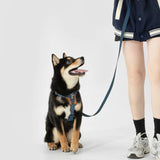
A soft, slightly open mouth with visible tongue suggests relaxation. This is the "happy dog" look.
Pulled-back lips showing teeth can indicate stress or threat. Lips pulled back in a "smile" during play looks different: relaxed facial muscles, soft eyes, loose body. A stress-induced "smile" has tense facial muscles and hard eyes.
Yawning often indicates stress, not tiredness. Watch for frequent yawning when your dog is in situations they find challenging.

Recognizing Stress Signals
Dogs in distress send multiple signals simultaneously. You might see one or several.
Common stress indicators include: panting without heat, excessive drooling, trembling, pacing, inability to focus, averted eyes, pinned ears, tucked tail, and loss of appetite. Some dogs whine, bark excessively, or try to escape situations.
The more signals present, the more stressed your dog is. Three or more concurrent signals mean immediate intervention is needed. Remove your dog from the situation.
Repeated exposure to stressful situations without relief creates anxiety disorders.
Happy Dog Signals
Relaxed, happy dogs show:
Loose, wiggly body language with overall forward movement. A soft face with slightly squinted eyes and relaxed ears. A wagging tail with the whole rear end moving. Approaching rather than avoiding. Playful bouncing and direction changes. Willingness to engage with people or other dogs.
A truly happy dog looks like they're enjoying life. Their entire body communicates ease and contentment.
Frequently Asked Questions
Q: Can I train my dog to hide stress signals?
No. Dogs can't control involuntary signals like pupil dilation or muscle tension. They can suppress barking or lunging through training, but the underlying stress remains. Address the emotion, not just the behavior.
Q: My dog wags their tail but seems tense. What does this mean?
Look at the full picture. Tail wagging without overall body relaxation suggests emotional conflict, high arousal, or confusion. The dog might be excited and anxious simultaneously. Context is critical.
Q: How do I know if my dog is playing or fighting?
Play includes frequent role reversals (roles switching between dogs), breaks where both dogs pause and approach again, loose bodies, and both dogs seeming to want to continue. Fighting lacks role reversals, includes continuous intensity, and one dog appears to want escape.
Q: Should I punish my dog for growling?
Never. Growling is communication. Your dog is warning you before escalation. Punishing growling removes the warning, pushing your dog to bite without signal. Allow the communication and remove the trigger instead.
Q: Do all dogs communicate the same way?
No. Breed, individual temperament, and socialization history affect communication style. Some dogs are naturally more expressive. Pay attention to your individual dog's patterns. Their consistent signals matter more than textbook rules.
Key Takeaways for Dog Body Language
Understanding Communication:
- Dogs communicate continuously through posture, position, and movement
- Multiple signals together reveal the full picture
- Body language precedes behavior
- Stress signals appear before aggression
Tail Language:
- Height indicates confidence level
- Movement quality reveals emotional state
- Wagging doesn't always mean happiness
- Tucked tails indicate fear or anxiety
Posture and Stance:
- Play bow invites engagement
- Rigid posture indicates tension or focus
- Crouching suggests anxiety
- Forward lean indicates approach and interest
Ears, Eyes, and Mouth:
- Forward ears show interest
- Pinned ears indicate fear or stress
- Soft eyes suggest relaxation
- Hard eyes indicate arousal or threat perception
Stress Indicators:
- Multiple simultaneous signals mean high stress
- Early recognition prevents escalation
- Stress isn't always obvious
- Never punish stress signals
Happy Dog Signs:
- Loose, wiggly body movement
- Soft facial expression
- Relaxed ears
- Approaching rather than avoiding
- Full-body engagement with life
When to Get Help:
- Repeated stress signals in specific situations
- Aggressive signals toward people or animals
- Significant behavioral changes
- Inability to relax in familiar environments
References
American Kennel Club. (n.d.). Understanding dog behavior and communication. Retrieved from https://www.akc.org/
International Association of Canine Professionals. (n.d.). Canine body language and behavior. Retrieved from https://www.iacp.info/
Cornell University College of Veterinary Medicine. (n.d.). Dog behavior and communication. Retrieved from https://www.vet.cornell.edu/
American Veterinary Society of Animal Behavior. (n.d.). Recognizing stress in dogs. Retrieved from https://avsab.org/
Word Count: 1,598 words | Last Updated: March 2026