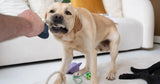




It's 2 AM. Your dog just had their third accident in the living room. Your first instinct is panic. But here's what you need to know: most cases of dog diarrhea resolve within 24 to 72 hours with proper home care. You don't need to rush to the emergency vet. You need to understand what's happening and how to help your dog recover.
Diarrhea is common. It's also usually manageable. The key is knowing when to treat it at home and when to seek professional help.
Why Your Dog Has Diarrhea
Diarrhea happens for several reasons. Understanding the cause helps you choose the right response.
Food Is the Most Common Culprit
The most frequent cause of acute diarrhea is dietary indiscretion. Your dog ate something they shouldn't have. Garbage, human food left on the counter, spoiled food from the yard. Their digestive system is saying no thank you.
Food sensitivity is also common. Some dogs have sensitive stomachs that react poorly to specific ingredients. Dairy, wheat, or certain proteins trigger reactions. This differs from true food allergies, which involve immune response. A sensitive stomach simply struggles to digest specific foods.
If diarrhea started after you switched foods, the cause is nearly certain. Never introduce new food suddenly. Gradual transitions over five to seven days allow the digestive system to adjust. Switching from one brand to another overnight is a common mistake that triggers diarrhea.

Stress and Anxiety Cause Real Digestive Upset
Dogs aren't immune to stress. Travel, new environments, loud noises like fireworks or construction, changes in routine. Stress hormones affect digestion directly. Your dog's stomach responds to anxiety the same way yours does. This type of diarrhea typically resolves within 24 to 72 hours once the stressor passes.
Infections and Parasites Require Attention
Bacterial overgrowth, viral infections, and parasites all cause diarrhea. These cases need identification. If your dog has repeated bouts of diarrhea, visible worms, or blood in stool, professional evaluation matters.
Allergies Often Include Digestive Symptoms
Food allergies frequently cause digestive upset alongside skin symptoms. If your dog has chronic diarrhea occurring year-round, or seasonal patterns matching pollen seasons, allergies may be involved. This connects to a larger picture of your dog's overall health.
Learn about food allergies and elimination diets
How to Help Your Dog Recover at Home
Home care works for most acute diarrhea cases. The goal is giving the digestive system rest while maintaining hydration and nutrition.

Assess Whether Home Care Is Appropriate
Home care is suitable if diarrhea started recently, your dog seems otherwise normal (eating small amounts, playful, normal energy), and there are no concerning signs like blood or extreme lethargy. Avoid home care if diarrhea has persisted multiple days, if your dog is a puppy or senior, or if any signs of illness appear.
Give the Digestive System Rest
The first step is brief fasting. A 12 to 24 hour fasting period gives the intestines time to recover. But continue water and small amounts of hydration. Never withhold all food and water. Monitor your dog closely during this time.
Introduce a Bland Diet Carefully
After the fasting period, offer bland, easy-to-digest foods. Plain boiled chicken and white rice is the classic choice. Cook chicken with no seasoning, skin, or fat. Mix with plain white rice. Other options include plain baked sweet potato, plain pumpkin puree, boiled eggs, or low-sodium bone broth.
Feed small amounts frequently rather than one large meal. Give your dog time to adjust to the bland diet before reintroducing normal food. Most dogs improve dramatically within 24 to 48 hours on bland food.
Support Recovery with Healing Foods
Beyond basic bland diet, certain foods naturally support digestive recovery. Plain pumpkin puree (not pie filling) contains soluble fiber that helps firm stool. Many dogs also tolerate it well and enjoy the taste. Add small amounts to their meals.
Bone broth supports gut healing while providing hydration and minerals. Plain, low-sodium bone broth is easy to digest and palatable. Dogs often drink it willingly, increasing their fluid intake during recovery.
Plain cooked sweet potato is easily digestible and provides gentle carbohydrate and nutrients. Avoid the skin and any seasonings.
If your dog normally tolerates dairy, plain yogurt contains probiotics that support healthy gut bacteria. However, many dogs with diarrhea have temporary dairy sensitivity, so start small and watch for reactions. Some dogs recover faster without dairy during the acute phase.
Keep Hydration as Your Priority
Diarrhea causes rapid fluid loss. Dehydration happens faster than you might think. Ensure your dog has constant access to fresh water. Offer water in small, frequent amounts. Bone broth counts toward hydration and is often more appealing to dogs who aren't drinking enough plain water.
Watch for dehydration signs: dry mouth, extreme lethargy, or skin that doesn't bounce back when gently pulled. These signs mean you need veterinary help.

Transition Back to Normal Food Slowly
Once stool firms and diarrhea decreases, begin mixing small amounts of your dog's regular food into the bland diet. Increase the proportion of regular food over five to seven days. Rushing this transition often restarts diarrhea.
Track Recovery Progress
Keep notes. When did symptoms start? When did they improve? What's the stool consistency now compared to yesterday? Is frequency decreasing? Is energy returning? This information helps you recognize improvement and also proves invaluable if you eventually need veterinary help.
Recovery signs are stool firming within 24 to 48 hours, frequency decreasing, energy returning, and appetite normalizing. Most dogs are back to normal within three to five days of home care.
When Your Dog Needs a Veterinarian
Some situations require professional help immediately. Others warrant a vet call within a day or two.

Seek Emergency Care For
Blood in stool (especially bright red or dark tarry stool) needs immediate attention. Severe lethargy where your dog won't move is a red flag. Vomiting alongside diarrhea, particularly if they occur together repeatedly, requires professional evaluation. Severe abdominal pain indicated by crying, hunching, or refusal to move needs emergency care. Any sign that your dog ingested something toxic demands immediate help.
Contact Your Vet Within 24 Hours If
Diarrhea persists beyond three to five days despite home care efforts. Puppies under six months or senior dogs over seven to eight years with diarrhea should see a vet sooner rather than later. Dogs that are very thin or have compromised immune systems need professional guidance. Repeated episodes of diarrhea suggest an underlying issue needing investigation. If symptoms worsen rather than improve, professional help is necessary. Visible parasites or grain-like specks in stool indicate parasitic infection.
What Your Vet Will Do
Your veterinarian will perform a physical examination, possibly analyze a stool sample to check for parasites or bacteria, and potentially run blood work if indicated. They can identify and treat underlying causes whether parasitic, infectious, or other. If needed, they'll recommend a prescription diet or specific treatment plan.
Common Questions
How long should dog diarrhea last?
Most cases resolve within 24 to 72 hours with proper home care. If diarrhea persists beyond five days despite careful home management, contact your vet. Diarrhea lasting weeks or recurring regularly indicates chronic issues needing professional investigation.
Can I feed my dog their regular food immediately?
No. Always transition gradually. Sudden diet changes restart diarrhea frequently. Mix small amounts of regular food into bland diet, increasing the proportion over five to seven days.
What if diarrhea returns?
If symptoms return during transition, extend the bland diet phase another few days before trying again. If it continues recurring, underlying issues like chronic food sensitivity or allergies may be involved.
What about supplements like probiotics or digestive aids?
While some owners use supplements like psyllium husk, bentonite clay, or probiotic powders, the foundation of recovery is rest, bland diet, and hydration. Food-based probiotics like plain yogurt and kefir are gentler for acute cases and well-tolerated by most recovering dogs. If you want to add supplements during or after recovery, consult your vet first. The right product and dosage matter for your individual dog, and some supplements can interfere with other treatments or conditions.
When is diarrhea an emergency?
Blood in stool, severe lethargy, repeated vomiting, signs of severe pain, or suspected toxin ingestion are emergencies. Call your vet or emergency clinic immediately.

Moving Forward
Your dog's diarrhea will almost certainly resolve. Most cases improve quickly with home care and patience. The panic you feel at 2 AM is understandable, but usually unnecessary. Trust the process. Monitor your dog. Use the information here to guide your decisions.
And remember: if you're ever unsure, contacting your vet for reassurance is always the right choice. Your veterinarian is your partner in your dog's health.
References
American Veterinary Medical Association. (n.d.). Digestive health in dogs. Retrieved from https://www.avma.org/
Cornell University College of Veterinary Medicine. (n.d.). Diarrhea in dogs: Causes and treatment. Retrieved from https://www.vet.cornell.edu/
The American Animal Hospital Association. (n.d.). Gastrointestinal health guidelines for pet owners. Retrieved from https://www.aaha.org/
UC Davis School of Veterinary Medicine. (n.d.). Managing acute diarrhea in dogs. Retrieved from https://www.vetmed.ucdavis.edu/
Important Medical Disclaimer: This article is educational and provides general guidance. Persistent or severe diarrhea requires veterinary attention. Always consult your veterinarian if symptoms persist beyond five days, if your dog shows signs of distress, or if you're unsure whether home care is appropriate.
Word Count: 1,756 words | Last Updated: April 2026