





Updated: 7 June, 2026
Bringing a puppy home is one of those moments you never quite forget. The excitement is real, but so is the overwhelm. Between feeding schedules, first vet visits, and a tiny creature that seems determined to chew through everything you own, it's easy to wonder where to even begin.
The good news is that raising a happy, well-adjusted dog doesn't require perfection. It requires consistency, patience, and a solid understanding of what your puppy actually needs in those first months. This guide covers everything from setting up your home to building the training habits that will last a lifetime.

Puppy-Proofing Your Home: Start Before They Arrive
Before your puppy sets one paw through the door, your home needs a quick audit. Puppies explore the world with their mouths, which means anything at floor level is a potential target. Electrical cables, toxic houseplants, cleaning products, and small objects that can be swallowed all need to be secured or moved out of reach.
Create a dedicated space where your puppy can rest, eat, and feel safe. A cozy corner with a comfortable bed and a few toys goes a long way in helping them settle in. Puppies thrive when they have a predictable space to call their own, especially in those first disorienting days.
Think of it less as restriction and more as setting your puppy up to succeed. The fewer dangerous temptations in their environment, the more confident you can be letting them explore.
One thing that's easy to underestimate is how determined puppies are to chew. A friend of ours with a long-haired Dachshund found out the hard way when her puppy started going after slippers and cushions. The real concern wasn't the mess but the stuffing. Synthetic filling materials can cause intestinal blockages if swallowed, which is a genuine emergency. Redirecting to a safe alternative made an immediate difference. The Nomi Triangle-Tug Dog Toy is made from 100% natural rubber and durable cotton rope, both BPA-free and non-toxic, so your puppy gets to satisfy that urge to chew and tug without any of the risk.

Feeding Your Puppy: Building Healthy Habits from Day One
Nutrition in the first year of a dog's life has a lasting impact on their development. Puppies need a food formulated specifically for their life stage, with higher protein and fat content to support rapid growth. Your vet can help you choose the right brand and portion size based on your puppy's breed and projected adult weight.
One challenge many new puppy owners don't anticipate is speed eating. Puppies tend to inhale their food, which can lead to bloating, indigestion, and in larger breeds, more serious digestive complications. A friend of ours with a Labrador went through weeks of worry when her puppy kept vomiting after meals. She assumed it was a stomach condition and took him to the vet, only to find out the cause was simply eating too fast. It's more common than people think, and the fix is straightforward.
The Ceramic Slow Feeder Bowl with Acacia Wood Stand is designed to do exactly that. Its slow-feed ceramic design encourages your puppy to eat at a healthier pace, while the elevated acacia wood stand supports better posture during mealtimes. It's a practical solution that also happens to look good in your home.
Establish a consistent feeding schedule from the start, ideally two to three times a day. Regular mealtimes make house training easier, since puppies typically need to go outside shortly after eating.

Puppy Training: The Foundation That Changes Everything
Start Early, Keep It Short
Puppy training isn't something you work up to. It starts on day one, and the earlier you begin, the easier everything becomes. Puppies have short attention spans, so keep training sessions to five or ten minutes at a time. Frequent, brief sessions work far better than occasional long ones.
Focus on the basics first: sit, stay, come, and loose-leash walking. These commands form the foundation of a safe and communicative relationship. Use positive reinforcement consistently. Treats, praise, and play are all effective rewards. Punishment-based training creates anxiety and erodes trust, which makes every other aspect of raising your dog harder.

Leash Training: Building Confidence Outdoors
One of the most valuable skills you can teach a young puppy is how to walk calmly on a leash. Start indoors where there are fewer distractions, then gradually move outside as their confidence grows. The goal is a relaxed, loose leash, not a tug of war.
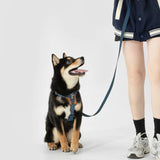
Having the right equipment makes a real difference. The Heyday TrailMaster Training Leash is 180 cm long, lightweight at just 152 g, and features a rotating handle that prevents twisting during those unpredictable puppy walks. The adjustable length gives you the flexibility to keep your puppy close in busy areas or give them a little more freedom in open spaces. It's built for the full range of what early training actually looks like.

Consistency Is Everything
The biggest mistake in puppy training isn't being too strict or too lenient. It's being inconsistent. If jumping up is sometimes cute and sometimes corrected, your puppy can't understand what you actually want. Set clear boundaries from the start and make sure everyone in the household follows the same rules.
Socialization: Shaping Who Your Dog Becomes
The socialization window for puppies runs roughly from three to fourteen weeks of age. During this period, positive exposure to different people, sounds, surfaces, animals, and environments has a disproportionate impact on how your dog handles novelty for the rest of their life.
Introduce new experiences gradually and always keep them positive. A puppy that encounters the world as a safe and interesting place grows into a confident adult dog. One that experiences fear without reassurance during this window is more likely to develop anxiety later on.
Puppy classes are one of the best investments you can make during this period. They combine structured socialization with basic training in a controlled environment, and the social element benefits both dogs and owners. Understanding how your puppy communicates is equally important here. Our guide on dog body language covers the signals to look for, which helps you read your puppy's comfort level during new experiences.

Health, Vaccinations, and Preventive Care
Your puppy's health calendar starts early. Most vaccination schedules begin at six to eight weeks, with boosters continuing through the first year. Core vaccines protect against serious and potentially fatal diseases, so staying on schedule is non-negotiable.
Alongside vaccinations, deworming is a routine but important part of puppy care. Most puppies are born with intestinal parasites inherited from their mother, making early and regular deworming essential. Our guide on dog deworming covers exactly when to deworm and what to use at each stage of your dog's life.
After any procedure, or if your puppy picks up a skin irritation, wound, or post-surgical incision, preventing them from licking or biting the area is critical for proper healing. The Easy Recover Protective Collar offers a comfortable alternative to the rigid traditional e-collar. Lightweight, breathable, and adjustable, it allows your puppy to move, eat, and sleep normally while protecting the area that needs to heal.
Talk to your vet about flea and tick prevention as well. Puppies can start appropriate preventive treatments from a young age, and the earlier you build these habits, the easier they become to maintain.

Grooming: More Than Just Good Looks
Grooming isn't just about keeping your puppy clean. It's about getting them comfortable with being handled, which pays dividends for every vet visit, nail trim, and ear check for the rest of their life.
Start grooming early, even if your puppy doesn't need it yet. Short, positive sessions with a brush build the habit without stress. Introduce the bath gradually, keep the water warm, and always follow with plenty of praise. The goal at this stage is association, not perfection.
Dental hygiene is often overlooked in puppyhood but becomes significantly harder to introduce later. A soft puppy toothbrush and pet-safe toothpaste a few times a week lays the groundwork for a lifetime of better oral health.

Frequently Asked Questions
At what age can I start training my puppy?
You can begin basic training as soon as your puppy comes home, typically at eight weeks. Keep sessions short and positive.
How many times a day should I feed my puppy?
Most puppies do well with two to three meals a day. Your vet can advise on exact portions based on breed and age.
When does the socialization window close?
The primary socialization window closes around fourteen weeks, but gradual positive exposure to new experiences remains important well beyond that.
How long does leash training take?
It varies by dog, but with consistent short sessions starting indoors, most puppies make good progress within a few weeks.
What should I do if my puppy keeps biting?
Mouthing and biting is normal puppy behavior. Redirect to a toy, end play if biting gets too rough, and be consistent. It typically reduces significantly by four to five months.
Raising a puppy is a learning curve for both of you, and that's part of what makes it so rewarding. Every small step forward, from the first sit to the first calm walk, is a moment worth appreciating. Take it one day at a time, celebrate the wins, and give yourself the same patience you'd give your dog.

Bronnen:
American Kennel Club. (n.d.). Puppy socialization: Why it's important and how to do it. Retrieved from https://www.akc.org/expert-advice/training/puppy-socialization/
American Veterinary Medical Association. (n.d.). Puppy vaccination schedule. Retrieved from https://www.avma.org/resources-tools/pet-owners/petcare/vaccination-schedule-dogs-puppies
Howell, T. J., King, T., & Bennett, P. C. (2015). Puppy parties and beyond: The role of early age socialization practices on adult dog behavior. Veterinary Medicine: Research and Reports, 6, 143–153. Retrieved from https://doi.org/10.2147/VMRR.S62081
Royal Canin. (n.d.). Puppy feeding guide: How much to feed a puppy. Retrieved from https://www.royalcanin.com/us/dogs/puppy/puppy-feeding-guide
Word count: ~1,550 words (body prose)