



Important disclaimer: This article is educational and based on guidelines from recognised canine behaviour experts and veterinarians. Always prioritise your dog's safety and comfort during travel. Consult your veterinarian before travelling, especially if your dog has anxiety or underlying health concerns.
Taking your dog on holiday is one of those ideas that sounds straightforward until you are actually standing on a busy beach with a trembling dog who has never seen the sea before. The good news is that with some preparation and the right mindset, even anxious dogs can learn to enjoy new environments. The key is understanding what your dog actually needs, not just what you hope they will tolerate.
Vacation stress looks different from everyday stress. Your dog encounters new sounds, smells, people, animals, and physical environments all at once. For sensitive dogs, that combination can feel genuinely overwhelming. But most of the challenges that come up during travel are preventable when you know your dog's specific triggers and build confidence gradually before and during the trip.
Understanding Vacation Anxiety in Dogs
Not all dogs struggle with new environments. Some thrive on novelty and new experiences. Others become anxious, showing stress signals like excessive panting, drooling, trembling, or persistent attempts to hide or escape.
The difference often comes down to early socialisation. Dogs exposed to varied environments as puppies tend to adapt more easily to new situations. Adult dogs with limited experience outside their homes may need a slower, more gradual introduction to travel. Recognising that vacation anxiety is a normal response to uncertainty, not a character flaw, helps you approach the situation with patience rather than frustration.
If you are not sure how to read your dog's stress signals, our guide on dog body language covers the key indicators in detail and is worth reading before any trip.
Beach Days with Your Dog
Beach holidays are increasingly popular with dog owners, and for good reason. But before you load up the car, research local regulations carefully. Not all beaches in the Netherlands allow dogs, and many have seasonal restrictions during summer months.
Preparing Before You Go
If your dog has never been to the beach, short practice visits help more than anything else. Introduce them to sand gradually. Some dogs are uncomfortable with the texture at first and need time to explore at their own pace. Water introduction follows the same principle. Never force a nervous dog into the sea. Let them approach waves on their own terms. Some dogs love swimming immediately; others never will. Both are fine.
Think carefully about crowd tolerance. Busy beaches mean unfamiliar people, animals, and constant noise. For anxious dogs, arriving early in the morning or visiting less crowded spots is a much better starting point than a packed beach in peak season.
What to Bring
Fresh water is non-negotiable. Salt water and sun exposure dehydrate dogs quickly, and a dog that has drunk sea water will feel unwell fast. Bring shade, whether a beach umbrella or a lightweight tent. Sand gets extremely hot in direct sun, and paw pads are vulnerable to burns on hot surfaces. Supervise your dog constantly near water. Even confident swimmers can struggle in ocean currents, and rip currents are dangerous for dogs as well as people.
Hiking and Walking Adventures
Walking with your dog in unfamiliar terrain brings its own set of challenges. Different surfaces, elevation changes, longer distances, and trail conditions all affect your dog's comfort and safety in ways that a regular neighbourhood walk simply does not prepare them for.
Building Trail Confidence
Start with short, easy walks in local parks before attempting anything more ambitious. Your dog needs to build both physical fitness and mental confidence at the same time. A dog that finds a flat thirty-minute walk tiring will not enjoy a long trail in hilly terrain. Choose routes appropriate for your dog's age, fitness level, and anxiety tolerance. Puppies should not cover long distances. Senior dogs need careful monitoring for signs of pain or fatigue.
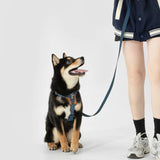
For hiking and walking on unpredictable terrain, a well-fitted harness makes a real difference. The YMOAs Heyday Hiker Lightweight Harness and Leash Set is designed for exactly this. The ergonomic design gives you control without restricting your dog's natural movement, and the lightweight build reduces fatigue on longer walks. The included leash gives your dog some freedom while keeping them safe around distractions like wildlife or other hikers.
Trail Safety
Bring water for both of you and a portable bowl. Dehydration happens quickly during physical activity, especially in warm weather. Check your dog's paws regularly during and after the walk. Rocks, thorns, and rough surfaces can cause injury that your dog may not show until later. Be aware of wildlife in the area. Even friendly dogs can get into serious trouble with unfamiliar animals, so keep your dog close in areas where deer, wild boar, or other wildlife are present.
Camping with Your Dog
Camping combines several challenges at once: an unfamiliar sleeping environment, potentially new people nearby, loud noises at night, temperature changes, and none of the familiar cues your dog uses to feel settled at home.
Creating a Safe Base
Your dog needs a designated safe space at camp. A familiar sleeping area reduces stress significantly, because it gives your dog one thing that feels constant in an otherwise new environment. The YMOAs CozyGo Pet Bed works well for this. It is portable, easy to pack, and because your dog already knows it from home, it becomes a reliable comfort object in an unfamiliar setting. Set it up in a sheltered, quieter corner of your camping area. Even confident dogs appreciate having a consistent, comfortable spot to return to.
Managing Campsite Stress
Campsites involve noise that your dog is not used to: neighbouring campers, campfire sounds, wildlife at night. Soft background audio played at low volume can help anxious dogs manage the unfamiliar sounds. Temperature changes are another factor. Ensure your dog has appropriate bedding and protection from cold nights or unexpected warmth. Check on them regularly, especially after dark.
Never leave your dog unattended at a campsite. An unsupervised dog may wander, get into trouble with wildlife, or bolt if frightened by a sudden loud noise.
Road Trips and Car Travel
Car travel is stressful for many dogs before the holiday even begins. Some experience motion sickness. Others struggle with the confinement and the engine noise. Road trips extend this stress over hours or days, which makes preparation particularly important.
Safe Car Travel
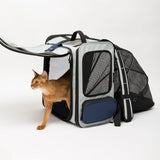
Your dog needs secure containment during any car journey. A dog that roams freely in a vehicle is a safety risk for everyone in the car, not just themselves. The YMOAs Pet Car Seat Backpack addresses this well. It keeps your dog safely contained while allowing visibility and airflow, which reduces anxiety for dogs that become more stressed when they cannot see out. The backpack design also makes it easy to remove your dog quickly at rest stops or bathroom breaks without fuss.
Position the carrier away from airbags and secure it properly before setting off. On longer trips, plan a stop every two hours to let your dog out for movement and a bathroom break. Keep the car temperature comfortable. Cars heat up and cool down faster than most people expect, and a dog left in a parked car, even briefly, faces serious risk in warm weather.
Hotels and Accommodation
Book pet-friendly accommodation well in advance. Policies vary widely regarding size, breed, and number of pets, and not all hotels that describe themselves as pet-friendly are prepared for actual dogs. When you arrive, let your dog explore the space gradually before expecting them to settle. Bring familiar items from home: their bed, a toy, something with your scent. Set up their space in a quiet corner away from the door.
General Tips for a Successful Trip
The most effective thing you can do before any trip is expose your dog to new sights, sounds, and situations gradually in low-stakes environments at home. A dog that has learned that new things are usually fine will adapt to holiday environments far more readily than one encountering novelty for the first time.
Know your dog's specific triggers. Does your dog struggle with crowds? Loud noises? Water? Other animals? Once you know what sets them off, you can plan accordingly and avoid putting your dog in situations they are not ready for. A dog that fears crowds does not belong at a packed beach in July, but may love the same beach at seven in the morning.
Maintain as much routine as possible during the trip. Feed at similar times, keep exercise schedules consistent, and try to keep sleeping arrangements as familiar as you can. Routine is one of the most powerful calming tools available to dog owners, and it costs nothing.
Frequently Asked Questions
Can I take my anxious dog on holiday?
Yes, with the right preparation. Start with short, manageable trips and build toward longer adventures. Most anxious dogs can enjoy travel once they have built confidence gradually.
How do I know if my dog is too anxious to travel?
Dogs showing extreme stress signals, non-stop trembling, refusing to eat or drink, or persistent escape attempts, need a different approach. Work with a dog behaviourist before attempting challenging travel.
What age can dogs start travelling?
Puppies need their vaccination series complete before exposure to unfamiliar environments, generally from around twelve to fourteen weeks. Senior dogs can travel but need extra monitoring for pain and fatigue.
Should I give my dog medication for travel anxiety?
Discuss this with your veterinarian. Some dogs benefit significantly from anti-anxiety support during travel; others respond better to behavioural preparation alone. Never medicate without professional guidance.
How do I keep my dog safe while camping?
Use proper restraint at all times, never leave your dog unattended, protect against temperature extremes, and keep them away from fire hazards and human food.
A holiday with your dog does not have to be a test of nerves. With the right preparation, the right gear, and a realistic understanding of what your dog actually enjoys, it can become one of the best parts of the year for both of you. 🐾
References
American Veterinary Society of Animal Behavior. (n.d.). Behavioral problems associated with travel and relocation. Retrieved from https://avsab.org/
Cornell University College of Veterinary Medicine. (n.d.). Travel with your pet safely. Retrieved from https://www.vet.cornell.edu/
International Association of Canine Professionals. (n.d.). Preparation for environmental changes in dogs. Retrieved from https://www.iacp.info/
American Kennel Club. (n.d.). Traveling with your dog. Retrieved from https://www.akc.org/