


Introduction
The holidays are magical. Lights, gatherings, special food, and excitement fill every corner of your home. But for your dog, all this change can be overwhelming, stressful, or even dangerous.
You want to include your furry friend in holiday celebrations. You're shopping for gifts, planning menus, and inviting family over. But worry creeps in: Is this food safe for my dog? Why is she so anxious around all these people? Are the decorations toxic? Will he get enough exercise?
Here's the good news: all of these challenges are preventable. With thoughtful planning and no rush, you can keep your dog safe, healthy, and happy during the holidays. That's the YMOAs philosophy: make decisions that work for your whole family, including the four-legged members.
This guide explores five major holiday challenges for dogs and the practical solutions to address them:
- Food Safety – What's toxic, what's safe, how to protect your dog
- Anxiety & Stress – Managing schedule disruptions and new people
- Holiday Hazards – Decorations, plants, and safety risks
- Routine & Activity – Maintaining exercise and mental stimulation
- Health Monitoring – Watching for stress-related issues
Each challenge has real, actionable solutions you can implement today.
Why Holidays Are Different for Dogs
"Dogs thrive on routine and predictability. The holiday season disrupts both. Increased household activity, schedule changes, new people, and unfamiliar foods create stress that manifests in anxiety, behavior changes, and even health issues. Understanding these challenges is the first step to a calm holiday season."
For most of the year, your dog knows what to expect: feeding times, walk schedules, quiet evenings, and the same familiar people. The holidays shatter this predictability. Relatives visit. Decorations appear overnight. The kitchen fills with smells your dog has never encountered. Noise levels increase. The routine your dog depends on becomes fragmented.
This disruption affects dogs differently depending on their age, temperament, and health. But every dog feels it. Your calm, predictable household suddenly becomes a place of uncertainty, and dogs don't handle uncertainty well.
The five challenges we'll explore aren't separate problems. They're interconnected. A stressed, anxious dog is more likely to eat something toxic. A dog with reduced activity becomes more anxious. A dog with arthritis struggles more in cold, stressful conditions. Understanding this helps you create a complete plan, not just isolated fixes.

Challenge 1: Holiday Food Safety – What's Safe, What's Toxic
"The holiday kitchen is dangerous for dogs. Chocolate contains theobromine, a toxin that affects the heart and nervous system. Grapes and raisins cause kidney failure. Xylitol (found in sugar-free products) causes severe hypoglycemia. Fatty foods trigger pancreatitis. Even small amounts can require emergency vet visits. This is not exaggeration. It's veterinary reality."
The holidays mean more food than usual, and much of it is toxic to dogs. Your well-meaning guests will want to share their plate. Your kids might sneak treats under the table. Your dog's nose will be drawn to smells she's never encountered. Managing food safety is your most critical task.
Toxic Foods – Never Give Your Dog These
Chocolate (all types, dark is worst)
- Contains theobromine, which dogs can't metabolize
- Symptoms: vomiting, diarrhea, tremors, seizures, heart problems
- Even small amounts of dark chocolate are dangerous
Grapes & Raisins
- Cause kidney failure in dogs
- No one knows why they're toxic, just that they are
- Even a handful can trigger serious problems
- Symptoms appear within 24 hours: vomiting, lethargy, kidney damage
Xylitol (artificial sweetener)
- Found in sugar-free baked goods, candy, peanut butter
- Causes rapid insulin release and severe hypoglycemia
- Can lead to liver failure
- Symptoms: weakness, collapse, seizures (immediate, often fatal)
Fatty Foods (turkey skin, prime rib, gravy, butter)
- Trigger acute pancreatitis
- Painful and potentially life-threatening
- Symptoms: vomiting, abdominal pain, lethargy
Alcohol (wine, beer, spirits, even small amounts)
- Affects dogs much faster than humans
- Can cause intoxication, respiratory depression, coma
- Keep all drinks out of reach
Other Toxic Foods:
- Macadamia nuts (cause weakness, tremors, hyperthermia)
- Onions & garlic (damage red blood cells)
- Avocado (persin toxin)
- Mushrooms (some varieties are deadly)
Safe Foods – You Can Share These
Plain Turkey (unseasoned, no skin, boneless)
- Safe in small amounts
- Remove all bones, skin, and seasoning
- Good protein source
Sweet Potato
- Great nutrition, high in fiber
- Cooked or raw, plain only
- Can be frozen as a treat
Carrots
- Low calorie, good for teeth
- Raw or cooked
- Safe to give freely
Apples (without seeds)
- Remove all seeds (contain cyanide)
- Slice and serve plain
- Good fiber
Pumpkin (unsweetened)
- Great for digestion
- Pure pumpkin only, not pie filling
- Can help with constipation or diarrhea
Green Beans
- Plain, steamed or raw
- Low calorie, safe snack
- Many dogs enjoy them
Plain Rice
- Good for upset stomachs
- Cooked with no seasoning
- Can be mixed with regular food
Management Strategies: How to Actually Keep Your Dog Safe
Strategy 1: Create a Food-Free Zone
During holiday meals when toxic foods are being served, keep your dog in a separate room with a closed door. This isn't punishment. It's protection. Your dog can't accidentally eat something dangerous if she's not in the room. Set her up with:
- A comfortable bed or crate
- Her regular meal (served at the same time your family eats)
- Water
- A puzzle toy for distraction
Strategy 2: Brief Your Guests
Family and friends mean well, but they don't know what's safe. Create a simple written list of toxic foods and post it on the fridge. Or tell people directly: "Please don't feed the dog human food. She has a sensitive stomach." Most people will respect this boundary, especially when you explain it's for her health.
Strategy 3: Secure Your Trash
Put all food scraps in a trash can your dog can't access. Wrap toxic foods in sealed bags inside the can. Use a can with a locking mechanism if possible. More dogs end up in emergency clinics eating holiday garbage than any other single cause. Trash is the number one danger in your home.
Strategy 4: Know What to Do If Ingestion Happens
If your dog eats something toxic:
- Don't panic – panic helps no one
- Call your vet or poison control immediately
-
Have this number ready:
-
Netherlands: Dutch Animal Poison Control
Local: (030) 2748888 | International: +31-30-2748888Belgium: Belgian Antipoison Centre
Local: (070) 245 245 | International: +32-70-245-245
-
-
Be prepared to tell them:
- What was eaten
- When it was eaten
- How much
- Your dog's weight
They can tell you if it's an emergency. Some things need immediate treatment; others are fine in small quantities.

Challenge 2: Holiday Anxiety – Managing Stress During Celebrations
"Holiday stress affects dogs the same way it affects people: disrupted sleep, elevated cortisol levels, changes in appetite, and behavioral shifts. Dogs with anxiety disorders or noise sensitivity are especially vulnerable during the holiday season. The disruption to their world is real, and their anxiety is valid."
The holidays trigger anxiety in many dogs. Some show obvious signs. Others withdraw quietly. Either way, your dog is stressed, and you can help.
If your dog has [separation anxiety], the holiday season can be especially challenging. Either way, your dog is stressed, and you can help.
Recognize Stress in Your Dog
Behavioral Signs:
- Excessive panting or drooling
- Pacing or restlessness
- Excessive barking or whining
- Destructive behavior (chewing, scratching)
- Hiding or withdrawal
- Loss of appetite
- Excessive licking or grooming
- Aggression toward family or other pets
Physical Signs:
- Trembling or shaking
- Dilated pupils
- Raised hackles (hair standing up)
- Tail tucked between legs
When Stress Often Occurs:
- During large gatherings or parties
- When doorbells ring or strangers arrive
- During loud noise (fireworks, music)
- When normal schedule changes dramatically
- At night (disrupted sleep patterns)
Management Strategies: Reducing Holiday Stress
Strategy 1: Maintain Routine (Most Important)
This is the single most powerful thing you can do. Keep feeding times, walk times, and bedtimes consistent, even during holidays. Your dog's routine is an anchor in a sea of chaos.
- Same feeding time: Feed at the exact same time every day
- Same walk schedule: Walk before guests arrive and after they leave
- Same bedtime: Consistent sleep schedule helps regulate stress hormones
- Quiet time blocks: Even one hour daily of quiet time helps
When everything else is changing, one consistent routine gives your dog something to depend on.
Strategy 2: Create a Safe Space
Designate a quiet room where your dog can retreat when overwhelmed. Stock it with:
- Comfortable bedding or blankets
- Familiar toys
- Fresh water
- Access to a bathroom or pee pad (if needed)
- A closed door for sound dampening
Tell guests: "This room is the dog's safe space. Please don't open the door or call her out." Most guests will respect this if you explain it's for her wellbeing.
Strategy 3: Exercise & Mental Stimulation
Exercise burns stress and anxiety. Even if it's cold outside, a good walk before guests arrive helps significantly. Indoor play also works:
- Hide and seek with treats
- Puzzle toys
- Training sessions (short 10-minute sessions)
- Tug of war
- Indoor fetch
A mentally stimulated, physically tired dog is a calm dog.
Strategy 4: Calming Tools & Support
- White noise or dog-specific music: Masks party sounds and creates a familiar environment
- Puzzle toys: Mental distraction helps with anxiety
- Long-lasting chews: Kong, bully stick (keeps them occupied)
- Professional help: Consider a trainer or behaviorist if anxiety is severe
- Medication: Talk to your vet about anti-anxiety medication (not a long-term solution, but can help during high-stress periods)

Challenge 3: Holiday Hazards – Decorations, Plants & Safety
"The average holiday home contains dozens of hazards for dogs: tinsel causes intestinal blockages requiring surgery; mistletoe is genuinely toxic; ornament hooks are choking risks; Christmas tree water contains preservatives. A prepared owner prevents emergencies. An unprepared home means holiday trips to the emergency vet."
Your home suddenly transforms into a place full of dangers. Most are easily prevented once you know what to watch for.
Main Hazards & Solutions
Tinsel & Garland – Major Danger
Tinsel is beautiful but highly dangerous. If your dog eats it, the tinsel can wrap around the intestines and cause a blockage. This requires emergency surgery.
- Don't use tinsel if you have dogs (seriously, skip it)
- Use alternative garland (ribbons that are tied securely, fabric strips)
- Keep artificial garland tied tightly to prevent access
- If you already have tinsel, keep it completely out of reach
Christmas Tree – Multiple Hazards
Your tree presents several dangers:
- Tree water contains fertilizers and preservatives (toxic if drunk)
- Pine needles can cause GI upset or blockage if swallowed
- Tree can tip if a dog pulls it or jumps on it
- Lights can cause electrocution
Safety tips:
- Secure your tree to the wall with fishing line or a tree stand weighted at the base
- Prevent all access to tree water (use a tree skirt that covers the water bowl)
- Use LED lights instead of incandescent (safer, less heat)
- Keep electrical cords behind furniture or protected with cord covers
- Check lights for damage before use
Toxic Plants – Know Which Are Dangerous
- Mistletoe (truly toxic, even small amounts)
- Poinsettia (irritating to mouth and stomach, causes vomiting but rarely fatal)
- Holly (berries are toxic)
- Christmas cactus (actually safe)
- Amaryllis (toxic)
- Narcissus/Daffodil (toxic)
Know which plants are in your home and keep them completely out of reach. If your dog eats a toxic plant, call your vet or poison control.
Ornaments & Decorations
- Glass ornaments break and cut
- Plastic ornaments can be chewed and swallowed
- Ornament hooks are choking hazards
- Lights should be checked for damage and kept out of chewing range
Use plastic ornaments instead of glass. Secure ornament hooks so they can't be pulled off. Keep fragile decorations high and out of reach.
Candles & Scents
Open flames are fire hazards, especially with an excited dog running around. Scented candles and essential oil diffusers can be toxic.
- Use battery-operated candles instead of real flames
- Avoid essential oil diffusers (many oils are toxic to dogs)
- If you use diffusers, choose dog-safe options
- Keep all scented products out of reach
Pre-Holiday Safety Checklist
Before you decorate, go through this checklist:
- Secure or completely skip tinsel
- Tie garland securely or skip it
- Secure Christmas tree (wall and weighted base)
- Move toxic plants out of reach
- Use LED lights (safer than incandescent)
- Prevent all access to tree water
- Use pet-safe candles (battery-operated)
- Secure ornament hooks
- Keep electrical cords protected
- Remove breakable decorations from dog-height areas

Challenge 4: Maintaining Activity & Routine – Fighting Holiday Boredom
Cold weather plus holiday busyness equals reduced outdoor activity. Your dog gets less exercise, becomes bored, and stress increases. Boredom is a major cause of behavior problems during holidays. Dogs with reduced activity gain weight, develop anxiety, and engage in destructive behavior.
The Solution: Maintain Exercise & Stimulation
Daily Walking Schedule
Even if it's cold, maintain your regular walk schedule. A 30-minute walk does wonders for stress and boredom. Cold weather isn't an excuse to skip walks. Just adjust with a dog coat if needed. A tired dog is a well-behaved, calm dog.
Indoor Exercise Games
- Hide and seek: Hide treats around the house and let your dog find them
- Indoor fetch: Down a hallway or in a large room
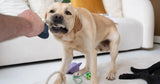
- Tug of war: Use a durable toy like our NOMI Quirky Tug Dog Toy for good bonding and physical activity
- Stairs: Running up and down stairs (if you have them) burns energy fast
- Chase games: Structured play where you chase and they chase back
Mental Stimulation
- Puzzle toys: Kong, puzzle feeders, snuffle mats
- Sniff games: Hide treats in cardboard boxes, blankets, or under cups
- Training sessions: Short 10-minute sessions learning new tricks
- Nosework: Encourage sniffing. It's mentally tiring
- Interactive toys: Toys that dispense treats as they play
Structured Play Time
Set aside 15 to 30 minutes daily for interactive play with your dog. This gives your dog something to look forward to and burns significant energy. Play together, not just near each other.
Quick Reference: Minimum daily activity = 30 minutes walk plus 15 to 30 minutes active play or mental stimulation. Adjust based on your dog's age and energy level.
Challenge 5: Health Monitoring – Watch for Holiday-Related Issues
If your dog has pre-existing health conditions, holiday stress can exacerbate them. Common issues include arthritis flare-ups, increased UTI symptoms, kidney problems, and anxiety disorders becoming more severe.
If Your Dog Has a Condition
Arthritis:
- Cold weather makes pain worse
- Reduced activity increases stiffness upon movement
- Maintain gentle exercise (short, frequent walks better than long ones)
- Keep your dog warm (dog coat, bed near heating)
- Consider supplements or medication (ask your vet beforehand)
Kidney Disease:
- Stress can increase thirst and urination (monitor)
- Holiday diet changes can worsen symptoms
- Keep regular vet schedule, don't change diet during holidays
- Ensure consistent water access
Anxiety Disorders:
- Holiday stress triggers episodes in susceptible dogs
- Work with your vet on management plan beforehand
- Medication might be appropriate (anti-anxiety medication)
- Consider a professional trainer or veterinary behaviorist
Digestive Issues:
- Stress triggers diarrhea or vomiting in many dogs
- Don't let guests feed table food (enforce strictly)
- Maintain regular diet consistency
- Monitor for changes; call vet if diarrhea persists beyond 1 to 2 times
When to Call Your Vet – Warning Signs
Call immediately if you notice:
- Excessive vomiting or diarrhea (more than 2 to 3 times)
- Not eating for more than 12 hours
- Extreme lethargy or unresponsiveness
- Difficulty breathing or excessive panting (beyond normal)
- Signs of pain or severe limping
- Inability to urinate or defecate
- Seizures or loss of consciousness
Pre-Holiday Vet Check
Before the holidays begin:
- Schedule a wellness check-up
- Discuss any concerns with your vet
- Ensure all medications are refilled
- Get your vet's holiday contact info and emergency vet location
- Ask your vet for personalized advice for your dog's specific health needs
Your vet can provide guidance tailored to your dog's age, health status, and specific risks.
Your Holiday Dog Care Action Plan
You now understand the five main challenges. Here's how to create your personal holiday plan:
Two-Week Countdown (Now through Dec 15)
- Schedule vet check-up
- Get medications refilled
- Plan your dog's safe space location
- Order puzzle toys or calming products if needed
- Tell family and guests about food restrictions
- Test your emergency vet contact information
- Review toxic foods list and post on fridge
- Plan your dog's exercise schedule
One Week Before (Dec 15-22)
- Finalize decorations (secure tree, remove tinsel, etc.)
- Practice the routine you'll maintain during holidays
- Review toxic foods list with your family
- Prep your dog's safe space (bed, toys, food, water)
- Establish exercise schedule with specific times
- Brief guests about food rules
- Check all lights and cords for safety
During Holidays (Dec 23-Jan 1)
- Maintain routine (feeding time, walks, bedtime)
- Daily exercise (no matter the weather)
- Monitor stress signs hourly during parties
- Keep guests informed and enforce food boundaries
- Watch for health changes or concerning behaviors
- Provide quiet time and safe space access
- Enjoy celebrations (calmly)
After Holidays (Jan 2+)
- Return to normal routine gradually
- Monitor for prolonged stress symptoms
- Schedule follow-up vet visit if needed
- Clean up decorations safely
- Celebrate successfully getting through the holidays
Remember the philosophy: You don't need to rush or stress during the holidays. The holidays aren't about filling your calendar with activities. They're about thoughtful time with people and pets you love. Make decisions that keep everyone calm. That's what Calm Days is all about.
Frequently Asked Questions
Q: My dog has separation anxiety. How do I manage during holidays?
"Separation anxiety is triggered by your absence, and holidays often mean schedule changes and different alone times. Maintain your regular routine as much as possible. Create a safe space with toys and white noise. Don't make a big fuss when leaving or returning home. Act casual. Consider working with a professional trainer or behaviorist before the holidays if anxiety is severe."
Sources: ASPCA Anxiety Guidelines, VCA Animal Hospitals
Q: Can my dog eat turkey at Christmas dinner?
"Plain, unseasoned turkey meat is safe for dogs in small amounts. However, avoid turkey skin (too fatty, causes pancreatitis), bones (choking hazard and splinter risk), and any seasoning or gravy. The safest option is to give your dog her regular meal and skip the table scraps entirely, even if she begs. Your dog doesn't need human food to have a happy holiday."
Sources: ASPCA Pet Food Safety, Cornell Veterinary Health Center
Q: Is my Christmas tree safe for my dog?
Christmas trees themselves aren't toxic, but they present several hazards. Tree water contains preservatives and fertilizers that are toxic if ingested. Pine needles can cause gastrointestinal upset or blockage. Decorations can be choking hazards. The tree can tip if pulled. Solution: Secure your tree to the wall with fishing line, prevent all access to tree water with a tree skirt, use LED lights, and keep ornaments and decorations out of reach.
Q: My dog is shaking and hiding during parties. What should I do?
These are clear signs of anxiety and fear. Create a safe quiet space and let your dog retreat without any fuss. Don't force interaction or try to "socialize" during a party. Your dog needs safety, not exposure. If the anxiety is severe, talk to your vet about anti-anxiety medication for the event. Some dogs genuinely can't handle large gatherings, and that's okay. Work with a professional trainer or behaviorist for long-term anxiety management.
Q: How much exercise does my dog need in winter?
At minimum, 30 minutes of daily walking plus 15 to 30 minutes of active play or mental stimulation. Cold weather shouldn't eliminate exercise. Adjust for your dog's age and health status. Puppies and young dogs may need more; senior dogs may need shorter, more frequent walks. Exercise is essential for stress management during the holidays.
Q: What if my dog eats something toxic?
Call your vet or poison control immediately. Don't wait to see if symptoms develop.
Netherlands: Dutch Animal Poison Control
Local: (030) 2748888 | International: +31-30-2748888
Belgium: Belgian Antipoison Centre
Local: (070) 245 245 | International: +32-70-245-245
Have ready:
- What was eaten
- When it was eaten
- How much
- Your dog's weight
Different toxins require different responses. Some need immediate emergency treatment; others require observation. Let the professionals guide you.
Q: What kind of Christmas gifts should I get for my dog?
Choose gifts that are safe and appropriate for your dog's size and chewing style. Avoid toys with small parts, bells, or squeakers that can be choking hazards. Avoid rawhide (choking risk). Good options include puzzle toys, long-lasting chews like bully sticks, durable balls, ropes, and quality chew toys like our NOMI Hexa Bone Chew Toy. Make sure any treat is safe and appropriate for your dog's digestive system. The best gifts are ones that keep your dog mentally and physically engaged.
Sources & Expertise
This guide is based on information from recognized veterinary authorities:
Cornell Veterinary Health Center
- Institution: Cornell University College of Veterinary Medicine
- Authority: 50+ years of peer-reviewed pet health research
- Referenced for: Food toxicity, health conditions, stress effects on dogs
- Why we trust them: Academic institution with rigorous research standards
- Website: www.vet.cornell.edu
ASPCA (American Society for the Prevention of Cruelty to Animals)
- Authority: 150+ years of animal welfare expertise
- Referenced for: Toxic substances database, pet safety guidelines, holiday hazards
- Why we trust them: Evidence-based guidelines and safety recommendations
- Website: www.aspca.org
VCA Animal Hospitals
- Authority: Network of veterinary specialists across North America
- Referenced for: Clinical recommendations, health management, behavioral guidance
- Why we trust them: Veterinarian-written content, peer-reviewed medical information
- Website: www.vcahospitals.com
All medical recommendations in this guide are cross-referenced against these authoritative sources.
Author & Fact-Checking: This guide was created by the YMOAs team, bringing together practical pet care advice with veterinary authority. We update our guides seasonally to reflect current best practices.
Published: December 6, 2025 Last Updated: December 6, 2025
A Calm Holiday Starts with Planning
The holidays don't have to be stressful for your dog. With thoughtful planning and these five key strategies, you can create a safe, healthy, and happy holiday season for your entire family. Furry members included.
Remember:
- Food safety is non-negotiable. Keep toxic foods away
- Anxiety is real. Maintain routine and create a safe space
- Hazards are preventable. Secure decorations and remove toxic plants
- Exercise matters. Cold weather doesn't eliminate walks
- Health monitoring is important. Watch for stress signs
Coming Up
This is just the beginning. We have more detailed guides coming in the next few weeks:
- Pet-Safe Holiday Treats & Recipes: Learn to make homemade holiday treats your dog will love, safely
- Holiday Anxiety Management: Expert Strategies: Detailed guides for managing anxiety during parties
- Creating a Pet-Safe Holiday Home: Complete room-by-room safety checklist
- Winter Indoor Exercise & Enrichment: Keep your dog active and happy all winter long
Final Thought
This holiday season, keep things calm. Make thoughtful decisions. Include your dog in celebrations in ways that are safe and stress-free. Your dog doesn't need fancy decorations or special treats to be happy. She just needs the routine, exercise, and love you already provide.
Make this a holiday where everyone, including your dog, can relax and enjoy.
Happy holidays from YMOAs. 🎄🐕