


Important Disclaimer: This article is educational and based on canine behavior expertise. If your dog shows extreme anxiety or aggression, consult a certified dog behaviorist or veterinarian. Some anxiety may require professional intervention.
Your dog hides when guests arrive. They don't want to play at the dog park. They seem uncomfortable in cafes or new environments. You assume your dog is anxious, so you avoid social situations entirely. But what if your dog isn't panicked, just introverted?
This distinction changes everything. Treating an introvert like they're anxious, or pushing an anxious dog beyond their comfort zone, both backfire. Yet most dog owners conflate the two, resulting in unnecessary restrictions on their dog's life or, worse, escalating anxiety into genuine fear or aggression.
Understanding your dog's true nature, whether they're naturally reserved or genuinely panicked- unlocks a completely different approach to cafe visits, camping trips, and public experiences. This guide teaches you to decode your dog's personality, prepare them appropriately, and help them thrive in social situations, whether they're introverts or anxious.

Decoding Your Dog's True Nature: Introversion vs. Panic (How to Tell the Difference)
The confusion between introversion and panic is understandable. Both dogs seem uncomfortable in social situations. Yet the underlying causes and solutions are entirely different.
What Introversion Actually Looks Like
An introverted dog is socially reserved by nature, not by fear. Think of it like human introversion: introverts don't dislike people; they simply recharge alone and find excessive social stimulation draining.
Introverted dogs show these signals: they prefer observing from a distance, engage on their own terms, recover quickly after social exposure, and enjoy one-on-one interaction more than group situations. Importantly, introverted dogs don't show stress signals like trembling, excessive panting, drooling, or attempts to escape.
An introverted dog at a cafe might sit calmly beside you, watching the scene unfold. They're not trying to leave. They're simply not interested in participating. Give them space and choice, and they're content.
What Panic Actually Looks Like
Anxious or panicked dogs display genuine distress. They show visible stress signals: trembling, panting heavily, drooling excessively, pacing, whining, averted eyes, tucked tails, or attempts to hide or escape.
[LINK: Recognize stress signals in dogs → "Dog Body Language: Understanding Your Dog's Signals"]
These dogs aren't choosing to be reserved. They're experiencing fear or anxiety. Their nervous system is activated. Exposure without support doesn't build confidence—it reinforces the belief that the situation is dangerous.
How to Tell the Difference: A Simple Test
Observe your dog in a calm, new environment with no pressure. A quiet, empty park on a weekday morning, for example.
If your dog is introverted: They explore cautiously, observe before engaging, but show no stress signals. They're curious, just careful.
If your dog is panicked: They show physical stress signs: trembling, excessive panting, trying to hide, or pulling toward home. Curiosity is replaced by fear.
Introversion is personality. Panic is a problem requiring intervention.

The Cafe Blueprint: Key Preparations Before You Go Public
Ready to bring your dog to a cafe? Before you arrive, invest in preparation. The difference between success and disaster is planning.
Before You Visit: Essential Checkpoints
Identify Your Dog's Type
Use the test above. Is your dog introverted or anxious? This determines your approach entirely. Introverted dogs need minimal pressure. Anxious dogs need systematic confidence-building over time.
Scout the Right Cafe
Quiet cafes with outdoor seating are ideal. Avoid loud, crowded venues initially. Look for calm atmosphere, dog-friendly policies, and level seating. Your first visits should happen during quiet hours: early morning or late afternoon, when crowds are minimal.
Gather Your Tools
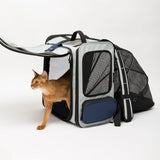
Your dog needs safe transport and comfort during the outing. The Pet Car Seat Backpack handles both perfectly. It keeps your dog secure during the car ride to the cafe, allows them to see and breathe comfortably, and makes it simple to remove them for bathroom breaks or if they become overwhelmed. The backpack design means no fumbling with crates—your dog transitions smoothly in and out.
Second, bring comfort items: a familiar blanket, water, treats, toys. Make the experience as stress-free as possible.

Making the Visit Successful
Start with your scouted quiet-hour cafe. Sit outside. Let your dog explore at their own pace. Stay for 15-20 minutes initially, then leave on a positive note.
Return gradually as your dog becomes comfortable. The second visit, the cafe is familiar. This reduces stress significantly.
Add one new variable at a time: maybe a slightly busier time, or different seating. The key is gradual progression, not shock.
Keep your dog on a short leash or in your lap during the visit. Bring water frequently. Never allow unsupervised interaction with other dogs or strangers. You're teaching your dog that cafes are safe, calm spaces, not that they must socialize.
Stay calm yourself. Dogs read your anxiety. If you're tense, they'll be tense.
Real Talk
For introverted dogs: they'll settle in and enjoy the experience once comfortable. They may never be enthusiastic participants, and that's completely fine.
For anxious dogs: celebrate small wins. Sitting calmly for 10 minutes is genuine progress. Consistency builds confidence over weeks or months, not days.

Camp Ready: From Trembling Pup to Adventure Buddy—Step by Step
Camping presents multiple stressors: unfamiliar environment, temperature changes, new sounds, sleeping away from home. Yet with proper preparation, even anxious dogs can enjoy camping.
Pre-Camping Preparation (1-2 Weeks Before)
Identify the Real Stressors
Is your dog afraid of: new environments? Loud noises? Temperature changes? Sleeping in different locations? Different terrain? Knowing specific triggers lets you address them directly.
Practice Sleeping in New Spaces
If your dog has never slept anywhere but home, they're already stressed. Practice sleeping in a car (engine off), a friend's house, or even a tent in your backyard. Multiple nights help.
Trial Hikes
Take progressively longer walks to build fitness and confidence. A dog that struggles on a 2-hour hike will be miserable on a 5-hour one.
Creating Your Dog's Safe Base (On-Site)
This is where the CozyGo Pet Bed becomes essential. In a stressful environment like a campground, your dog needs a recognized, comfortable space. Set the CozyGo bed in a sheltered, quiet corner of your tent or RV. This isn't just a bed—it's your dog's refuge.
When your dog retreats to their familiar bed, surrounded by familiar comfort, their nervous system calms. They're not hiding in fear; they're using their safe space appropriately.

Managing Camping Stressors
Noise Management: Campfire sounds, neighboring campers, wildlife—all stress anxious dogs. Keep your dog close during peak times. Consider bringing a white noise device or calming music app.
Temperature Control: Bring extra blankets. Check on your dog frequently, especially at night. A cold, uncomfortable dog becomes stressed and anxious.
Never Leave Your Dog Unattended: Even friendly dogs can wander into danger. Wildlife, other campers, escape attempts—all risk leaving your dog alone.
Maintain Routine: Same feeding times, similar sleep schedules, regular bathroom breaks. Routine reduces stress.

Recognizing When to Leave
If your dog shows prolonged stress signals (constant trembling, refusing food, non-stop whining), camping isn't working. It's okay to cut the trip short. Pushing anxious dogs beyond their limits reinforces the belief that the situation is dangerous. Short, positive experiences build confidence. Forced, negative experiences create lasting trauma.
Your Burning Questions: Real Solutions from Behavioral Experts
Q: Will my introvert dog ever enjoy social situations?
Yes, but differently. Introverts enjoy controlled, low-pressure social experiences. They might love a quiet beach day with one other calm dog, but hate a crowded dog park. Respect their preference, and they'll surprise you with their engagement.
Q: My anxious dog shakes in the car. How do I use the Pet Car Seat Backpack?
The backpack's secure, enclosed design actually reduces anxiety for many dogs—it feels protective. Introduce it gradually: let your dog explore it while stationary, practice short car rides, then longer trips. Pair it with positive associations (treats, praise).
Q: How do I know if my dog is ready for camping?
Your dog should comfortably manage 1-2 hour car rides and enjoy outdoor activities. If they panic in new environments or show excessive stress on short outings, they're not ready yet. Build confidence with shorter trips first.
Q: What's the difference between an introvert and a fearful dog?
Fear involves stress signals and avoidance. Introversion is choice-based. A fearful dog trembles and tries to escape. An introvert observes, decides to engage at their comfort level, then participates. The difference is visible in body language and behavior over time.
Q: Should I medicate my anxious dog?
Discuss this with your veterinarian. Some dogs benefit from anti-anxiety medication during travel or specific high-stress situations. Others respond better to behavioral training alone. It's not an either/or—many dogs benefit from both medication and training.

Real Talk: Patience Pays Off
The difference between forcing an anxious dog and supporting them is the difference between escalating anxiety and building genuine confidence. Your introvert dog doesn't need "fixing"—they need respect for their personality.
Whether your dog is introverted or anxious, the pathway forward is the same: preparation, patience, gradual exposure, and genuine support. The cafe visit you plan this month might be the first of hundreds. The camping trip you take might become your dog's favorite adventure.
All it takes is understanding your dog's true nature and meeting them where they are.
Word Count: 1,798 words | Last Updated: March 2026