

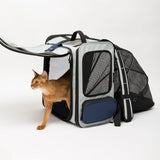




Your cat stares out the window at the rain. He no longer chases through the garden. His energy builds up, but outside is too cold and wet. Winter boredom in cats is a real problem leading to behavioral issues, weight gain, and stress.
Fortunately, you can transform your home into a stimulating environment that keeps your cat happy and healthy through the longest winter months. This guide covers practical, effective enrichment strategies that actually work.
Why Winter Indoor Enrichment Is Crucial
The boredom-destruction connection Cats are natural hunters who normally spend 6-8 hours daily hunting, patrolling, and exploring. When winter limits these activities, their hunting drive remains unsatisfied. The result? Running through the house at night, scratching furniture, aggressive play, or excessive meowing.
Physical health impact Reduced winter activity significantly increases weight gain risk. Combine activity with healthy nutrition for optimal weight management
According to veterinary studies, indoor cats burn 30-40% fewer calories in winter compared to active summer months. Without compensating enrichment, this can lead to obesity, diabetes, and joint problems.
Mental stimulation necessity A bored cat is a stressed cat. Lack of mental challenge can lead to depression, excessive grooming (to bald patches), or compulsive behaviors. Discover how stress and activity levels affect skin health

Creating Vertical Space: The Most Underrated Enrichment
Why going up is transformative Cats are three-dimensional animals. In nature, they climb trees for safety, hunting, and territory overview. Your living room has vertical potential you're probably not utilizing.
Practical vertical solutions:
Budget-friendly:
- Mount sturdy shelves in stair-step formation against walls
- Repurpose bookcases by making them stable and accessible
- Position furniture strategically to create climbing routes
Use window suction cup hammocks (sun and views!)
Investment-worthy options:
- Multi-level cat trees with hiding spots
- Wall-mounted walkways and platforms
- Floor-to-ceiling cat poles
- Window loungers for bird watching
Tip: Ensure at least one high point overlooks the main room. Cats feel safer when they cansurvey their domain.

Scratching surfaces: Essential enrichment:
Scratching isn't just about claw maintenance—it's a vital enrichment activity. According to International Cat Care, scratching marks territory, stretches muscles, and relieves stress.
Strategic placement:
- Near sleeping areas (cats scratch after waking)
- By windows or high-traffic areas (territory marking)
- Multiple locations for multi-cat households
Types of scratchers:
Horizontal scratchers like our DualGrip Cat Scratcher offer versatility, cats can scratch in their preferred position while the sturdy design doubles as a lounging surface. The dual-sided texture provides variety, keeping cats engaged longer.
Vertical posts work well near cat trees or entryways.

DIY Enrichment Activities That Actually Work
Scent hunting games Your cat's nose is his most powerful sense. Hide small amounts of dry food or treats in different rooms. Start easy (visible) and gradually make it harder (in boxes, under blankets, inside cabinets).
Rotating toy library Cats quickly bore of the same toys. Instead of having all toys available simultaneously, rotate three sets weekly. "New" toys feel exciting and renew interest.
Cardboard box paradise Check our complete DIY cat toys guide for more creative ideas
Cats are obsessed with boxes. Create a maze of boxes with cut entrances and exits. Add crumpled paper for sound and texture. Change configuration weekly to maintain freshness.
Ice cube fishing Freeze small treats or cat food in ice cubes. Place them in a shallow tray. Cats bat them, fish for them, and get rewarded when ice melts. Summer cooling, winter entertaining.

Food Puzzles: Mental Stimulation + Portion Control
Why food puzzles are game-changers In nature, cats must work for food. Bowls serve meals too easily, leading to fast eating, boredom, and overweight. Food puzzles mimic natural foraging behavior.
Benefits of puzzle feeding:
- Slows eating speed (prevents vomiting tendencies)
- Extends meal time from 2 minutes to 20+ minutes
- Reduces food-related boredom
- Provides mental challenge and physical activity
- Helps weight management naturally
From simple to complex:
Beginner level: Use muffin tins with dry food in each compartment. Place some crinkle paper on top for extra challenge.
*DIY puzzle feeders:* For creative homemade puzzles using household items like toilet paper rolls, paper bags, and plastic containers, see our complete DIY Cat Toys guide with step-by-step tutorials.
Advanced level: Our Silicone Feeder Lick Mat Set offers two enrichment options in one: use the slow feeder structure for dry food puzzles that mentally challenge your cat, or spread wet food on the lid as a lick mat for calming, slow consumption. The flexibility supports different moods and meal times.

DIY puzzle box: Take a shoebox. Cut various sized holes in sides and top. Place treats inside. Cat must use paws to fish treats out.
Starting tip: Begin easy! If puzzles are too frustrating, your cat gives up. Gradually increase difficulty as confidence grows.
Window Entertainment: Bird TV For Cats
The ultimate indoor enrichment A well-positioned window perch can provide hours of entertainment. Movement, changing light, and wildlife observation stimulate natural hunting and patrol behaviors.
Optimize your window station:
- Comfortable sitting perch: Soft, heated surface for hours of lounging
- Stable construction: Must safely hold your cat's weight
- Multiple levels: Different heights for variety
- Strategic placement: At window with most activity (bird feeders, trees)
Enhance the view:
- Hang bird feeders outside the window (not too close - 2-3 meters distance)
- Plant bushes that attract birds
- Place a bird bath where your cat can see
- Consider a "catio" (enclosed outdoor space) as an option
Warning: Ensure window screens are secure if you open them. Cats can fall through weak screens.

Interactive Toys & Play
Daily play sessions are essential Even with lots of enrichment, cats need direct interaction with you. Goal: at least two 10-15 minute play sessions daily.
Most effective toy types:
Wand toys: Feathers, ribbons, or "prey" on a stick. Mimic bird movement - flying, landing, fluttering. Let your cat "catch" the toy occasionally for satisfaction.
Lasers (with caution): Fun for short burst energy. Important: Always end laser play with a physical toy the cat can catch. Otherwise causes frustration (never "win" the game).
Ball play: Ping pong balls, badminton shuttles, or small toy balls in bathtub or long hallway. Cats chase them enthusiastically.
Tug play (for some cats): Unlike dogs, some cats enjoy gentle tugging with rope toys. Stay gentle - never pull hard.
Play before bedtime: Active play 30 minutes before bed helps exhaust your cat, resulting in better nighttime sleep (yours too!).

Enrichment Tailored By "Catsonality"
Not all cats are the same
For high-energy cats:
- Multiple vertical climbing surfaces
- Rotating toys daily
- Complex food puzzles
- Frequent interactive play sessions
- Consider clicker training (yes, cats can learn tricks!)
For lazy/senior cats:
- Softer, heated lounge areas
- Simple food puzzles (not frustrating)
- Gentle toys, less intense play
- Window views for passive enrichment
- Understand kneading behavior and create comfortable spaces that encourage this natural behavior.
For shy/anxious cats:
- Hiding places at multiple levels
- Quiet zones away from household bustle
- Predictable routines
- Slow introduction of new enrichment
- Vertical escape routes
For solitary cats (multi-cat households):
- Separate resources (food, water, litter box) for each cat
- Multiple vertical zones to divide territories
- Individual playtime with each cat

Rotation & Change: Keep It Fresh
The boredom problem Even great enrichment becomes boring if it never changes. Cats are curious - novelty stimulates their brains and keeps them interested.
Weekly rotation plan:
- Week 1: Toy set A, box configuration 1
- Week 2: Toy set B, box configuration 2
- Week 3: Toy set C, no boxes (reset)
- Week 4: Back to set A (feels "new" after 3 weeks)
Monthly changes:
- Reposition cat furniture
- Introduce one new element (new toy, new perch)
- Change food puzzle types
- Rotate scent stimulation (catnip, silvervine sachets in toys)
 Frequently Asked Questions
How much enrichment does my cat need? At least three types daily: physical activity (play or vertical climbing), mental stimulation (puzzles or training), and social interaction (time with you). High-energy cats may need significantly more.
My cat ignores all new enrichment. What now? Cats can be suspicious of change. Introduce new items gradually. Use positive associations: place treats near new item, spend time near the new element, use catnip to attract interest. Give it time - some cats need days to accept new things.
Is too much enrichment a thing? Yes. Overwhelming environments stress cats out. Start with a few items, observe how your cat responds, add gradually. Quality > quantity.
How do I know if my cat gets enough enrichment? Signs of sufficient enrichment: normal eating patterns, healthy weight, calm behavior, no destructive behavior, normal sleep cycle, playful interaction with enrichment items. Signs of insufficient: excessive vocalization, aggression, furniture scratching, nighttime vigilance, overeating, or obsessive grooming.
Start Today With Simple Steps
You don't need to implement everything at once. Begin with these three simple changes this week:
- Create one vertical climbing surface - even a well-placed shelf works
- Start food puzzles at one meal - begin simple with muffin tin
- Dedicate 10 minutes to interactive play - every day, same time for routine
Check our complete winter cat care guide for more seasonal tips
Winter indoor enrichment isn't optional - it's essential for your cat's physical health and emotional wellbeing. With creativity, consistency, and attention to your individual cat's needs, transform your home into a stimulating environment that promotes happiness through the coldest months.
The best investment? Your time and attention. Materials help, but nothing replaces the enrichment of your involvement in your cat's life.
Sources
This article is based on veterinary research and cat behavior expertise:
American Association of Feline Practitioners. (2024). Environmental enrichment for indoor cats. Journal of Feline Medicine and Surgery.
International Cat Care. (n.d.). Indoor cat enrichment strategies. https://icatcare.org
Cornell Feline Health Center. (n.d.). Feline behavior and environmental enrichment. Cornell University College of Veterinary Medicine.